Vendor procurement and bidding
Bids you can compare line by line, from vendors who can deliver them.
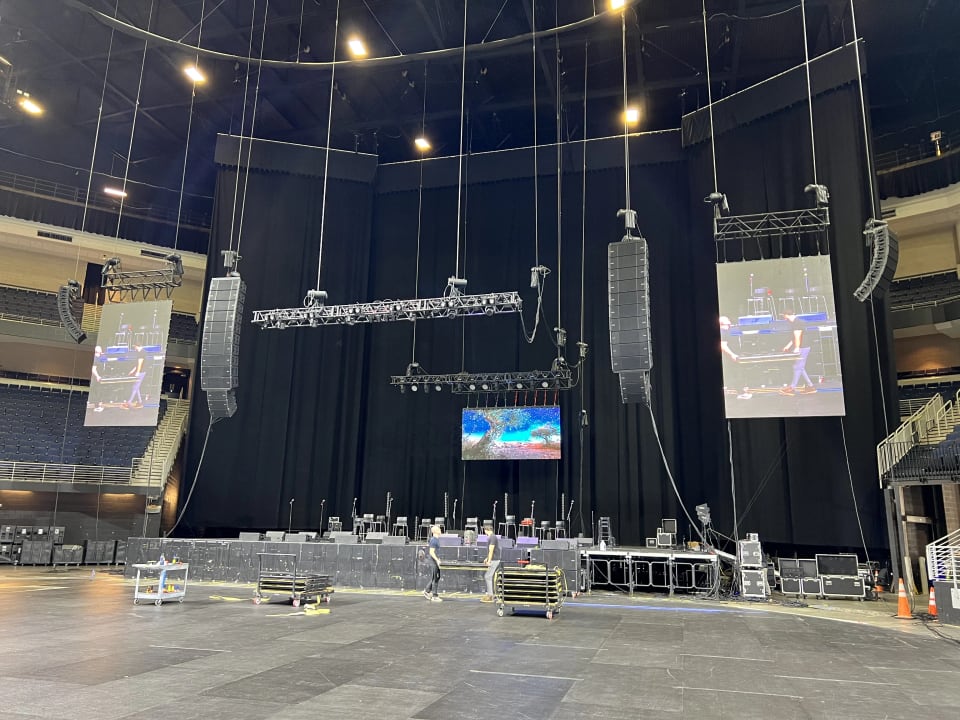
Three bids. Three different shows.
Production bids are hard to compare when every vendor quotes a different package, and the cheapest bid is usually the one that left something out.
- Bids you can’t line up against each other?
- Labor, trucking and overtime that show up after you’ve signed?
- A final invoice bigger than the quote, with no change order behind it?
- No idea whether a vendor can actually deliver a show this size?
Why it hasn’t been fixed yet.
It’s rarely effort. Owners in this business work harder than anyone. It’s usually one of these.
Vendors running their own piece
Every vendor quotes its own show
Without one written scope, each bid includes different gear, different labor and different trucking. The low bid looks cheap because it’s a smaller show.
Production as a second job
Nobody on the team has bought production before
Promoters and agency producers buy production a few times a year. The vendors sell it every day, and they know where the extras hide.
Production planned last
Bids arrive after the budget is set
The ticket price or the client budget is locked first, then the bids come in high, and the only lever left is cutting the show.
What I do
What the work includes
- One scope and equipment list per department, so every vendor bids the same show
- Vendor shortlist matched to the show’s size, gear and location
- Line-by-line bid comparison: gear, labor, trucking, power, per diems and overtime rules
- Negotiation on scope and price, and the terms that matter: holds, deposits, cancellation and weather
- Change orders priced and approved before the work is done
- Invoice check against the bid and the hours actually worked
What changes
The right vendors at a fair price, with no surprises in the final invoice.
Scoped to your event. On the first call we go through the date, the venue, the talent and the budget, and decide how much of the production you want me to run.
Proof
Shows I’ve sold and project managed.
Concerts, festivals, tours and brand activations from my time at production companies. They’re my experience, not clients of this business.
- County Line Music FestivalConcert or festival
- Deep Roots FestivalConcert or festival
- REVOLT WORLD 2024Concert or festival
- Robin Thicke TourConcert or festival
- Skillet ConcertConcert or festival
- Atlanta Wine & Jazz Festival 2023Concert or festival
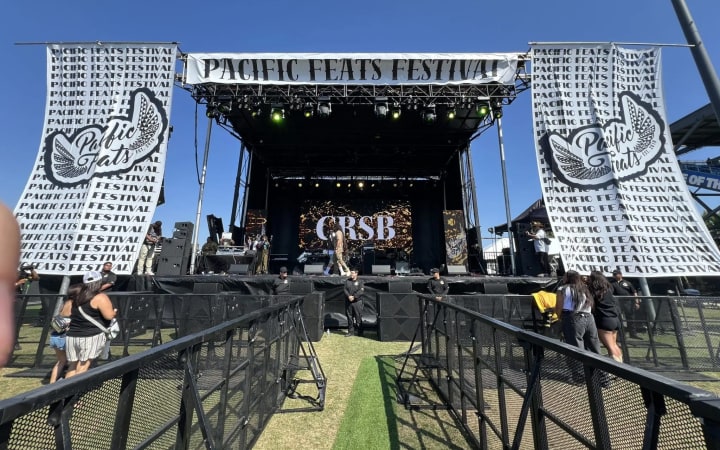
- Pacific Feats Festival 2024Concert or festival
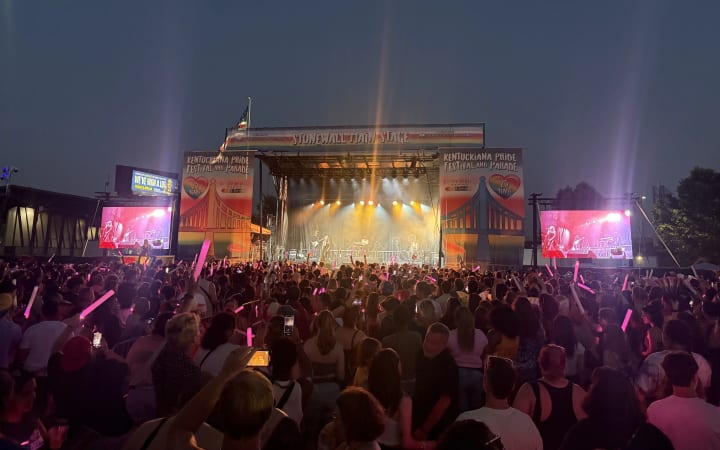
- Kentuckiana Pride FestivalConcert or festival
- Toyota Music Den 2024Fan event
- Credit One Credit Tip Off College TourFan event
- Atlanta United 2023 Block PartyFan event
- New York Fashion WeekLive show
Most production help sells you gear. I’ve worked every side of the show.
I’ve worked every side of a show, from the loading dock to the sales desk. That’s how I know where a production goes wrong, and why I work for you, not the vendors.

Devon RaceManaging Director, Event Production Partner
Outsiders: A buyer sees a line that says “labor”.
I see the call times, the minimums and the overtime that line hides, from working the calls myself as a stagehand.
From the crew, as a stagehand
Outsiders: A buyer sees an equipment list.
I see what’s padded, what’s missing and what will go out as a subrental, from running the warehouse that builds those lists.
From the warehouse, as warehouse manager
Outsiders: A buyer sees three totals.
I see three different shows, and I know how vendors price, from running sales at production companies.
From the sales desk, as head of sales and marketing
The production mistakes that cost events the most
I’ve watched each one happen from inside the company. You get the lesson without the bill.
Where I saw it: StagehandLoad-ins, audio, LED and staging
The mistakeApproving the stage before anyone has walked the site
What it costs
A rebuild on show day, with the crew on overtime
What to do instead
Check ground, power, access and the load-in window before the design is final
Where I saw it: Warehouse managerInventory, prep, trucks and returns
The mistakeTaking the lowest bid without checking what’s in it
What it costs
Cable, power and labor added back later at full price
What to do instead
Bid one scope and equipment list, and compare line by line
Where I saw it: Project manager$500K+ projects, crews and clients
The mistakeLeaving the artist advance until show week
What it costs
Backline bought in a rush, and a soundcheck that runs into doors
What to do instead
Advance every artist as soon as they’re confirmed
Where I saw it: Head of sales and marketingScaled companies from $750K to $3M+
The mistakePromising the client a look before it’s costed
What it costs
Your margin pays for the difference
What to do instead
Get a production budget before the pitch or the deal is signed
Relevant experience and expertise are the top criteria buyers use to evaluate potential service providers.
Took production houses local to regional to national. Built client relationships with Fortune 500 brands.
Common questions
Event production vendor bidding and procurement
What promoters, agencies and brands ask about this before the first call.
Why are production bids so hard to compare?

Each vendor quotes the package they’d bring, with their own labor, trucking and overtime rules. Unless every vendor bids the same written scope and equipment list, you’re comparing different shows. Writing that scope is the first thing I do.
Devon
Whose side are you on in a negotiation?
Yours. I work for you, not the vendors, and how I’m paid is agreed with you up front.
Devon
Can you work with vendors we already use?
Yes. Your current vendors bid alongside others, on the same scope. Often the result is the same vendor at a clearer price.
Devon
What should a production vendor contract cover?
The scope and equipment list, labor and overtime rules, load-in and strike times, holds and deposits, cancellation and weather terms, insurance and who signs off the structure. Those are the lines that decide most disputes.
Devon
Keep reading
More of the production I run
- What I run for youStage design and implementationTurn the creative vision into a stage that can actually be built, on budget.Read more
- What I run for youArtist liaison and rider procurementEvery rider advanced, sourced and confirmed before the artist arrives.Read more
- What I run for youLabor and crew managementThe right crew, called for the right hours, briefed before doors.Read more

Start with a conversation
Let’s talk about your next show.
- A 15-minute callBy video, about your company
- A short written planWithin three business days
- You decideNo packages, no pressure